Dr. Sreekanth B. Shetty

Interventional Cardiologist

Book a Call

Edit Template

Blog

New Technologies in Cardiology

Dr. Sreekanth B. Shetty -

New Technologies in Cardiology

Cardiology is undergoing a transformative era, with cutting-edge technologies revolutionizing how heart disease is diagnosed, treated, and prevented. From artificial intelligence to advanced imaging and robotics, these innovations are improving patient outcomes, reducing invasiveness, and enhancing precision in care. Below is a detailed, blog-friendly overview of the latest advancements in cardiology, incorporating insights from recent trends and practical implications for readers.

1.⁠ ⁠Artificial Intelligence (AI) and Machine Learning
  • What’s New: AI is reshaping cardiology by analyzing vast datasets—medical images, patient records, and wearable data—to predict, diagnose, and manage heart conditions with unprecedented accuracy.
  • Applications:
    • Diagnosis: AI algorithms, like those from Ultromics, enhance echocardiogram analysis, reducing misdiagnosis rates (e.g., 1 in 5 heart disease cases misdiagnosed traditionally).
    • Risk Prediction: AI identifies patterns in data to predict heart attack or stroke risk, enabling earlier interventions. For example, AI can analyze ECGs to detect low glucose levels without finger pricks.
    • Personalized Treatment: Machine learning tailors treatment plans by integrating genetic, lifestyle, and clinical data.
  • Impact: AI speeds up diagnosis, improves accuracy, and supports point-of-care triage, especially in wearable devices that flag issues like atrial fibrillation (AFib).
  • For Readers: Ask your doctor about AI-enhanced screenings or consider wearables with AI features to monitor heart health.
2.⁠ ⁠Advanced Imaging Technologies
  • What’s New: Innovations like 4D MRI, multidetector CT (MDCT), and photon-counting CT (PCCT) provide detailed, dynamic views of the heart and blood vessels.
  • Applications:
    • HeartFlow Technology: Analyzes CT angiograms to assess blood flow, helping doctors decide between invasive procedures or medication, reducing unnecessary interventions by 45–50% in some cases.
    • 4D MRI and PCCT: Offer real-time, high-resolution imaging to visualize cardiac anatomy changes, improving diagnosis of coronary artery disease (CAD) and planning for procedures.
    • Holographic Imaging: 4D hologram technology, used in structural heart procedures, enhances precision during interventions like valve replacements.
  • Impact: These tools reduce radiation exposure, shorten scan times, and improve diagnostic accuracy, bypassing invasive procedures like coronary angiography in some cases.
  • For Readers: If recommended for heart imaging, ask about advanced options like HeartFlow or 4D MRI for less invasive, detailed results.
3.⁠ ⁠Wearable and Remote Monitoring Devices
  • What’s New: Wearables like smartwatches and flexible electronics (e.g., Rice University’s conductive nanotube threads woven into clothing) monitor heart rate, rhythm, and activity in real time.
  • Applications:
    • AFib Detection: Devices like the Apple Watch detect irregular heart rhythms, prompting early medical consultation.
    • Continuous Monitoring: Wearable patches and implanted devices (e.g., pacemakers with Bluetooth) track heart function remotely, improving care for heart failure and arrhythmias.
    • Smart Clothes: Carbon nanotube threads sewn into fabrics monitor heart metrics unobtrusively, ideal for long-term use.
  • Impact: These devices enable early detection, reduce hospital visits, and empower patients to manage their heart health proactively.
  • For Readers: Consider a smartwatch or wearable patch for heart monitoring, but discuss any alerts with a cardiologist.
4.⁠ ⁠Robotic-Assisted Interventions
  • What’s New: Robotic systems like the Hansen Sensei and CorPath GRX enhance precision in catheter-based procedures such as ablations and percutaneous coronary interventions (PCI).
  • Applications:
    • Catheter Ablation: Robots enable precise movements for treating arrhythmias, reducing errors and improving outcomes.
    • PCI: The CorPath GRX allows remote control of guidewires and catheters, minimizing radiation exposure for doctors and improving patient safety.
  • Impact: These systems make minimally invasive procedures more accurate, reduce complications, and speed recovery compared to traditional surgery.
  • For Readers: If facing a procedure like PCI, ask if robotic-assisted options are available at your hospital.
5.⁠ ⁠Transcatheter Procedures and Structural Heart Innovations
  • What’s New: Transcatheter aortic valve replacement (TAVR) and tricuspid valve repair (e.g., EVOQUE valve) are expanding to treat a wider range of patients, including those previously ineligible for surgery.
  • Applications:
    • TAVR: Now FDA-cleared for all surgical risk categories, TAVR is a less invasive alternative to open-heart surgery for aortic valve issues.
    • Tricuspid Valve Repair: The TRISCEND II trial shows promise for transcatheter tricuspid valve replacement, improving quality of life for patients with tricuspid regurgitation.
    • Paclitaxel-Coated Balloons: Used to treat in-stent restenosis, offering a novel approach to maintain artery patency.
  • Impact: These minimally invasive options reduce recovery time, complications, and hospital stays, especially for high-risk patients.
  • For Readers: If you have valve disease, discuss transcatheter options with your cardiologist to see if they’re suitable.
6.⁠ ⁠Gene and Cell Therapies
  • What’s New: Research into gene and cell therapies aims to repair heart damage and regenerate tissue, targeting the root causes of heart disease.
  • Applications:
    • Gene Therapy: Modifies genes to treat conditions like hypertrophic cardiomyopathy or high cholesterol.
    • Cell Therapy: Uses stem cells to regenerate damaged heart tissue post-heart attack.
  • Impact: These therapies are still experimental but hold potential to revolutionize treatment by addressing heart damage at a cellular level.
  • For Readers: Stay informed about clinical trials for gene or cell therapies if you have a chronic heart condition.
7.⁠ ⁠Virtual and Augmented Reality (VR/AR)
  • What’s New: VR and AR are being used for training cardiologists and planning complex procedures.
  • Applications:
    • Training: Boston Scientific’s VR headsets simulate electrophysiology procedures, enhancing skill development. Abbott uses VR to train doctors on optical coherence tomography (OCT) imaging.
    • Procedure Planning: AR visualizes 3D heart models, aiding in precise interventions.
  • Impact: Improves physician expertise and patient outcomes by enhancing procedural accuracy and reducing learning curves.
  • For Readers: If undergoing a complex procedure, ask if your team uses VR/AR for planning or training to ensure cutting-edge care.

8.⁠ ⁠Key Takeaways for Readers

  • Technology Is Transforming Cardiology: From AI to robotics, new tools are making heart care more precise and less invasive.
  •  Early Detection Saves Lives: Wearables and AI can catch issues early, so consider integrating them into your health routine.
  • Ask About Options: Discuss advanced imaging, robotic procedures, or transcatheter treatments with your doctor to explore less invasive alternatives.
  • Stay Proactive: Keep up with emerging therapies like gene editing to understand future options for heart health.

Need Expert Cardiac Treatment Guidance?

From diagnosis to advanced cardiac intervention

Consult Dr. Sreekanth Shetty for coronary angiography, complex angioplasty, TAVI, pacemaker implantation, heart failure care, rhythm management, structural heart interventions, and preventive cardiology.

Phone Number of Svasti

+91 9008600976
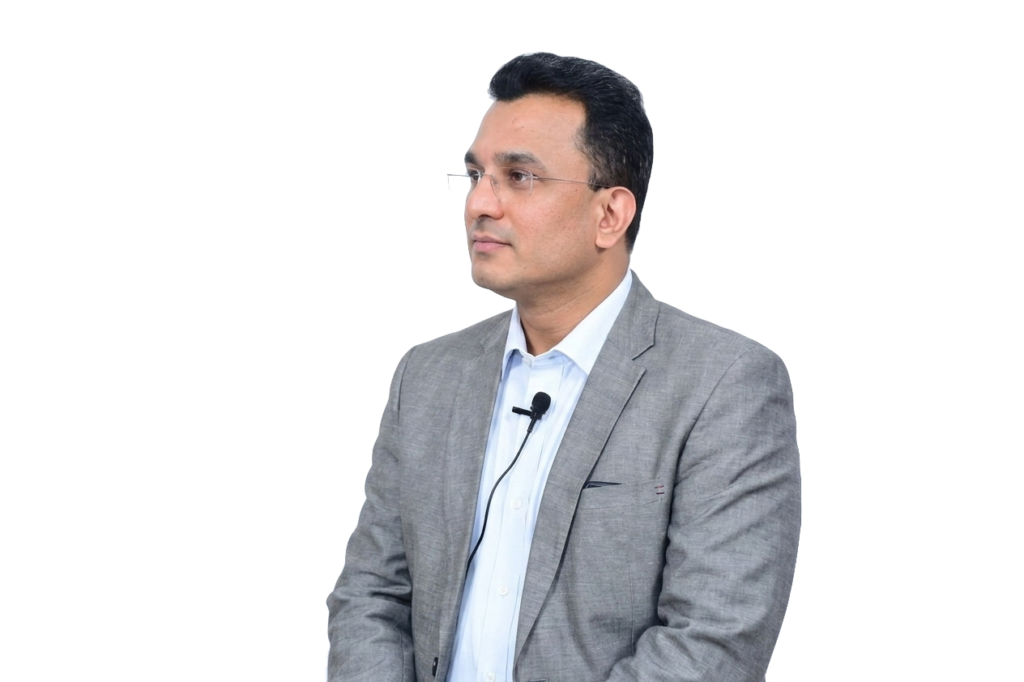
Dr. Sreekanth Shetty

Interventional Cardiologist

Dr. Shetty is renowned for his innovative approach to angioplasty procedures, particularly for his preference for the trans-radial route, which involves accessing the heart through the wrist.

Quick Links

About

Specialisation

Gallery

Blog

Help

Privacy Policy

Terms of Services

Contact Us

© 2026 All Rights Reserved.