Leadless Pacemaker
Advanced Leadless Pacemaker Implantation in Bangalore | Dr. Sreekanth Shetty
Wrist-access angioplasty for coronary artery disease
Advanced Leadless Pacemaker Implantation in Bangalore
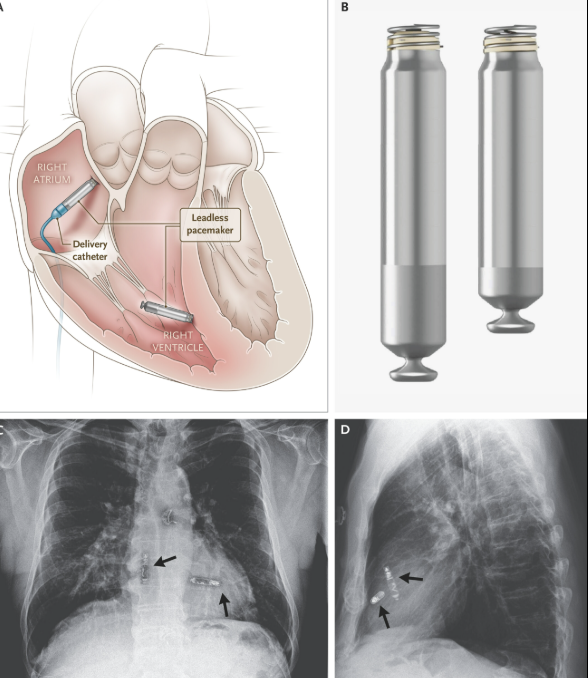
A leadless pacemaker is a state-of-the-art, self-contained cardiac device used to treat slow or irregular heartbeats. Unlike traditional pacemakers, which are placed under the collarbone and rely on thin wires (leads) threaded into the heart, a leadless pacemaker is a tiny capsule implanted entirely inside the heart’s right ventricle via a catheter, eliminating the need for wires or surgical chest incisions.
Dr. Sreekanth Shetty is at the forefront of modern electrophysiology interventions, offering advanced leadless pacemaker implantations for suitable patients. His precise, catheter-based approach ensures minimal disruption to surrounding tissue and delivers highly reliable cardiac rhythm management.
When Is It Recommended?
A leadless pacemaker is recommended for patients with specific types of bradycardia (slow heart rate) or atrial fibrillation with pauses, particularly those who have a high risk of device infections, limited upper-body vein access, or active lifestyles where a traditional chest implant would be obstructive.