Cholesterol Specialist in HSR Layout
Advanced Lipid & Cholesterol Management in Bangalore | Dr. Sreekanth Shetty
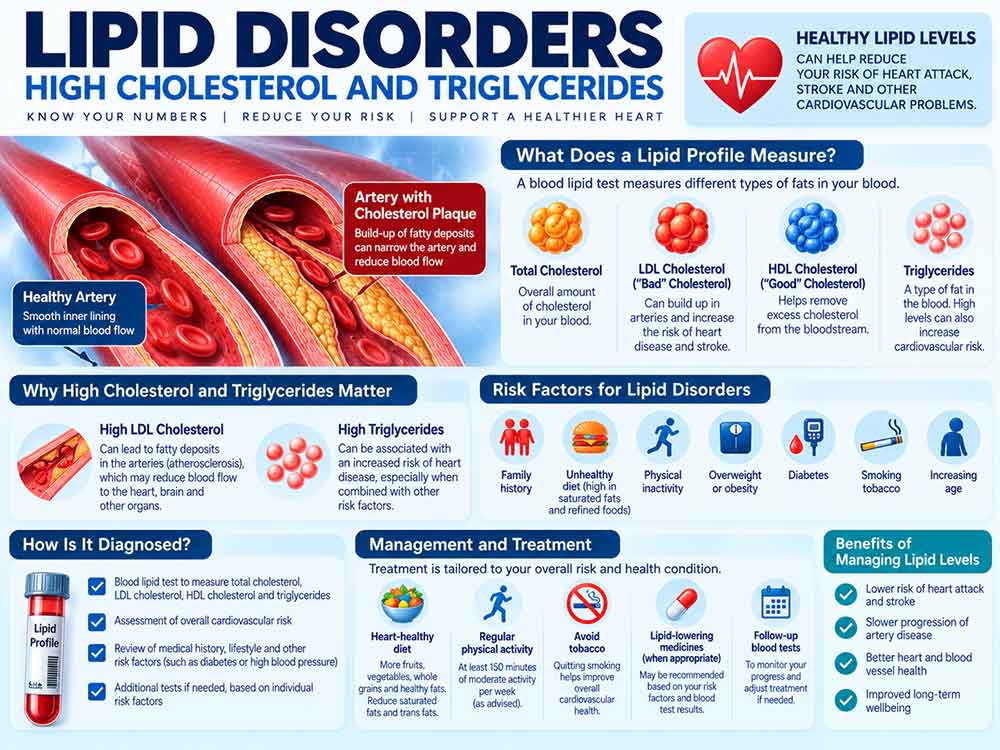
Cholesterol plays an important role in the body, but abnormal levels of cholesterol and other blood lipids can increase the risk of cardiovascular disease. High LDL cholesterol and elevated triglycerides may contribute to the development of plaque in the arteries, increasing the risk of heart attack and stroke.
Early identification of lipid disorders, assessment of cardiovascular risk and an appropriate treatment plan can help protect long-term heart health.
If you are looking for high cholesterol treatment in HSR Layout, understanding your lipid profile and individual risk factors is an important first step.
What Are Lipid Disorders?
Lipid disorders, also known as dyslipidaemia, occur when levels of fats in the blood are outside the healthy range. These abnormalities may involve high LDL cholesterol, elevated triglycerides, low HDL cholesterol or a combination of these findings.
The main components of a lipid profile include:
Total cholesterol: Measures the overall amount of cholesterol in the blood.
LDL cholesterol: Often called bad cholesterol, because elevated levels can contribute to plaque formation in arteries.
HDL cholesterol: Often called good cholesterol, because it helps transport cholesterol away from tissues.
Triglycerides: A type of fat in the blood that can be elevated alongside other metabolic risk factors.
Lipid results should be interpreted alongside your age, medical history, other health conditions and overall cardiovascular risk.
What Causes High Cholesterol?
Several factors can contribute to abnormal cholesterol and triglyceride levels.
Family History and Genetics
Inherited conditions, including familial hypercholesterolaemia, can cause very high LDL cholesterol levels. A family history of premature heart disease or high cholesterol may indicate a need for earlier assessment.
Diet and Lifestyle
A diet high in saturated or trans fats, limited physical activity, excess body weight and smoking can contribute to an unfavourable lipid profile.
Other Medical Conditions
Diabetes, thyroid disorders, kidney disease and some other medical conditions may affect cholesterol and triglyceride levels.
Medicines and Other Factors
Certain medicines and individual health circumstances can influence lipid levels. Your doctor may review your current medicines and medical history to identify potentially contributing factors.
Symptoms of High Cholesterol
High cholesterol usually causes no noticeable symptoms. Many people discover it only after a blood test or during a cardiovascular risk assessment.
A person can feel healthy while having elevated LDL cholesterol. This is why appropriate testing is important, particularly for people with diabetes, high blood pressure, a family history of early heart disease or other cardiovascular risk factors.
Why Is Cholesterol Management Important?
Persistently elevated LDL cholesterol can contribute to atherosclerosis, a condition in which plaque builds up inside the arteries.
Over time, this process can increase the risk of:
Coronary artery disease
Heart attack
Stroke
Peripheral artery disease
Other cardiovascular complications
Managing cholesterol is an important part of reducing cardiovascular risk. The degree of treatment needed depends on your lipid levels, medical history and overall risk.
How Are Lipid Disorders Diagnosed?
Lipid Profile Blood Test
A lipid profile measures total cholesterol, LDL cholesterol, HDL cholesterol and triglycerides. Your doctor will explain whether fasting is necessary for your particular test.
Cardiovascular Risk Assessment
Cholesterol results are considered alongside factors such as age, blood pressure, diabetes, smoking, kidney function and any previous cardiovascular disease.
Review of Medical History
Your doctor may ask about family history, dietary habits, physical activity, existing medical conditions and current medicines.
Additional Investigations
If clinically indicated, additional tests may be recommended to investigate possible underlying causes, such as thyroid dysfunction or diabetes, or to assess other cardiovascular risk factors.
High Cholesterol Treatment in HSR Layout
High cholesterol treatment in HSR Layout should be individualised. Treatment decisions depend on your LDL cholesterol and triglyceride levels, overall cardiovascular risk, existing medical conditions and response to lifestyle changes.
Lifestyle Changes for Better Cholesterol Levels
Healthy lifestyle habits are an important part of managing lipid disorders.
Reduce saturated fats and avoid trans fats where possible.
Eat more vegetables, fruits, whole grains, pulses and other fibre-rich foods.
Choose healthier unsaturated fats in appropriate amounts.
Exercise regularly, according to your health and physical ability.
Maintain a healthy weight.
Avoid tobacco and discuss alcohol consumption with your doctor.
Manage associated conditions such as diabetes and high blood pressure.
Lifestyle changes can improve lipid levels and support cardiovascular health. Some people will also need medication.
Cholesterol-Lowering Medicines
Medicines may be recommended when lifestyle measures are insufficient or when cardiovascular risk indicates that treatment should begin.
Statins are commonly prescribed to lower LDL cholesterol and reduce the risk of heart attack and stroke. Depending on individual circumstances, other medicines such as ezetimibe or additional lipid-lowering therapies may be considered.
Your treatment should be selected by a qualified clinician based on your test results, cardiovascular risk, other medicines and potential side effects. Do not start, stop or change cholesterol medication without medical advice.
Follow-Up and Monitoring
Follow-up blood tests help assess your response to treatment and whether further adjustments are needed.
Your doctor may review medication adherence, lifestyle habits, possible side effects and any changes in your health. The timing of repeat testing depends on your treatment plan and clinical circumstances.
Cholesterol Specialist in HSR Layout
If you are searching for a cholesterol specialist in HSR Layout, a medical assessment can help you understand your lipid profile and identify factors that may increase your cardiovascular risk.
Dr. Sreekanth Shetty’s verified professional profile and consultation information can help you determine whether his services are appropriate for your needs.
Bring your recent lipid profile, current medication list and relevant medical reports to your consultation where available.
Lipid Specialist in HSR Layout
A lipid specialist evaluates abnormal cholesterol and triglyceride levels, particularly when they are significantly elevated, persist despite treatment or occur alongside other cardiovascular risk factors.
Assessment may be especially important if you have a strong family history of premature heart disease, suspected inherited high cholesterol, diabetes or established cardiovascular disease.
The appropriate management plan may involve lifestyle changes, medication, investigation of underlying causes and regular monitoring.
Frequently Asked Questions About Lipid Disorders
1. Can high cholesterol occur without symptoms?
Yes. High cholesterol generally does not cause symptoms. A blood lipid test is the usual way to identify abnormal cholesterol levels.
2. Which cholesterol number is most important?
LDL cholesterol is an important treatment target, but total cholesterol, HDL cholesterol and triglycerides also provide useful information. Your treatment goals depend on your overall cardiovascular risk and medical history.
3. Can lifestyle changes lower cholesterol?
Yes. Improving dietary quality, reducing saturated fat intake, exercising regularly, maintaining a healthy weight and avoiding tobacco can improve lipid levels. Medication may also be necessary, depending on your risk and test results.
4. Do all people with high cholesterol need medication?
Not everyone has the same treatment needs. The decision depends on cholesterol levels, cardiovascular risk, existing disease and other clinical factors. Your doctor can discuss the potential benefits and risks of treatment.
5. Is high cholesterol hereditary?
Yes. Some inherited conditions can cause very high cholesterol levels, even in people who maintain a healthy lifestyle. A strong family history of early heart disease or high cholesterol should be discussed with your doctor.
6. How often should cholesterol be checked?
The frequency depends on your age, risk factors, previous test results and whether you are taking lipid-lowering medication. Your doctor can recommend an appropriate testing schedule.
7. Where can I seek high cholesterol treatment in HSR Layout?
Review Dr. Sreekanth Shetty’s verified profile and current clinic details to confirm consultation availability and whether the services offered match your needs.
For further information about abnormal cholesterol and triglyceride levels, read the World Health Organization’s fact sheet on dyslipidaemia