Dr. Sreekanth B. Shetty

Interventional Cardiologist

Book a Call

Edit Template

Blog

Cardiac Screening: Who Needs It and When?

Dr. Sreekanth B. Shetty -

Cardiac Screening: Who Needs It and When?

Cardiac screening involves tests to detect heart disease or risk factors before symptoms arise, enabling early intervention to prevent heart attacks, strokes, or other complications. Knowing who needs screening and when is critical for maintaining heart health. This blog post provides a clear, accessible guide on cardiac screening, covering who should get tested, when, and which tests are used, tailored for a general audience, with insights into current guidelines and trends.

1.⁠ ⁠Why Cardiac Screening Matters
 
  • Heart Disease Prevalence: Heart disease is the leading cause of death globally, often striking without warning. Early detection through screening can reduce risks by up to 30% through timely interventions.
  • Silent Risks: Conditions like high cholesterol, high blood pressure, or coronary artery disease (CAD) may have no symptoms until a serious event occurs.
  • Prevention: Screening identifies risk factors (e.g., high LDL cholesterol) or early disease, allowing lifestyle changes or treatments to prevent progression.
  • For Readers: Regular screening empowers you to take control of your heart health before problems escalate.


2.⁠ ⁠Who Needs Cardiac Screening? Certain groups are at higher risk and should prioritize screening
 
    • Adults Over 40: Risk of heart disease increases with age, so screening is recommended starting at age 40 (or earlier with risk factors).
    • Family History of Heart Disease: If a close relative (parent, sibling) had a heart attack, stroke, or heart disease before age 60 (men) or 65 (women), screening should start earlier, often in your 20s or 30s.
    • People with Risk Factors:
      • High Blood Pressure: Consistently 130/80 mmHg or higher.
      • High Cholesterol: Elevated LDL or low HDL levels.
      • Diabetes: Doubles heart disease risk, especially in women.
      • Obesity: Body mass index (BMI) ≥30 or high waist circumference.
      • Smoking: Current or former smokers have a 2–4 times higher risk.
      • Sedentary Lifestyle: Lack of regular exercise increases risk.
    • Women with Specific Risks:
      • History of preeclampsia, gestational diabetes, or preterm delivery.
      • Menopause, which increases risk due to declining estrogen.
  • Other Conditions: Autoimmune diseases (e.g., lupus), chronic kidney disease, or sleep apnea raise heart disease risk
  • For Readers: If you have any of these risk factors, talk to your doctor about starting screening earlier than general guidelines suggest.
 
3.⁠ ⁠When to Get Screened Timing depends on age, risk factors, and health status
 
    • General Population:
      • Age 20–39: Get a baseline lipid panel (cholesterol test) every 4–6 years, per American Heart Association (AHA) guidelines. Blood pressure checks should start at age 18, at least every 2 years.
      • Age 40–75: Annual or biennial screenings for blood pressure, cholesterol, and diabetes (e.g., A1C test). Assess overall heart risk using tools like the ASCVD Risk Calculator.
      • Age 75+: Continue screenings based on health status, as benefits depend on life expectancy and treatment goals.
    • High-Risk Individuals:
      • Start screening in your 20s or 30s if you have a family history, diabetes, or other risk factors.
      • More frequent tests (e.g., yearly) if diagnosed with hypertension, high cholesterol, or heart disease.
  • Post-Event or Diagnosis: If you’ve had a heart attack, heart failure, or other cardiac condition, regular screenings (e.g., every 3–6 months) monitor heart function and treatment efficacy.
  • Women with Pregnancy History: Screen 5–10 years after pregnancy complications like preeclampsia, as risk persists.
  • For Readers: Schedule a checkup if you haven’t been screened recently, especially if you’re over 40 or have risk factors.
 
4.⁠ ⁠Common Cardiac Screening Tests Screening tests vary based on risk and symptoms. Here are the most common
 
  • Blood Pressure Measurement:
    • Purpose: Detects hypertension (≥130/80 mmHg).
    • Frequency: Every 1–2 years for normal readings; more often if elevated.
  • Lipid Panel:
    • Purpose: Measures total cholesterol, LDL, HDL, and triglycerides to assess heart disease risk.
    • Frequency: Every 4–6 years starting at age 20; annually if high or on treatment.
  • Blood Glucose/A1C Test:
    • Purpose: Screens for diabetes or prediabetes, which increase heart risk.
    • Frequency: Every 3 years starting at age 45, or earlier/more often with risk factors (e.g., obesity).
  • Electrocardiogram (ECG/EKG):
    • Purpose: Records heart electrical activity to detect arrhythmias or signs of prior heart damage.
    • When: Not routine for low-risk individuals but used for those with symptoms (e.g., palpitations) or high risk.
  • Stress Test:
    • Purpose: Evaluates heart function during physical exertion, often using a treadmill or medication.
    • When: For those with symptoms (e.g., chest pain) or high risk of CAD.
  • Coronary Calcium Scan:
    • Purpose: CT scan measures calcium in coronary arteries, indicating plaque buildup.
    • When: For intermediate-risk individuals (e.g., 10–20% 10-year ASCVD risk), typically ages 40–75.
  • Echocardiogram:
    • Purpose: Ultrasound assesses heart structure and function (e.g., valve issues, heart failure).
    • When: For those with symptoms, known heart conditions, or risk factors like hypertension.
  • Advanced Tests:
    • HeartFlow Analysis: Uses CT scans to assess blood flow in coronary arteries.
    • Lipoprotein(a) Testing: Measures a genetic cholesterol variant linked to heart risk.
  • For Readers: Ask your doctor which tests are appropriate based on your age, risk factors, and symptoms.


5.⁠ ⁠Emerging Trends and Innovations
 
  • Wearable Technology: Devices like Apple Watch or Fitbit monitor heart rate, detect atrial fibrillation, and track activity, supporting early risk identification.
  • AI-Enhanced Screening: AI analyzes ECGs, imaging, or blood tests to predict heart disease risk with greater accuracy, reducing misdiagnoses.
  • Genetic Testing: Identifies inherited conditions like familial hypercholesterolemia, guiding earlier screenings and interventions.
  • Telemedicine: Remote monitoring and virtual consultations make screenings more accessible, especially for rural or underserved populations.
  • For Readers: Consider a wearable device for ongoing heart rate monitoring, but consult a doctor for professional interpretation of results.


6.⁠ ⁠Challenges and Considerations
 
  • Access to Care: Screening may be limited by cost, insurance, or availability. Free clinics or community health programs can help.
  • Over-Screening: Unnecessary tests (e.g., ECG in low-risk individuals) can lead to false positives and anxiety. Follow guideline-based recommendations.
  • Women’s Risks: Women may need earlier or more tailored screenings due to atypical symptoms or pregnancy-related risk factors.
  • Cultural Barriers: Some communities may distrust medical systems or face language barriers. Seek culturally sensitive care or patient advocates.
  • For Readers: Advocate for yourself by asking about the necessity and frequency of tests, and explore low-cost screening options if needed.
 
7.⁠ ⁠Key Takeaways for Readers
 
  • Screen Early, Screen Smart: Start blood pressure and cholesterol checks in your 20s, and increase frequency with age or risk factors.
  • Know Your Risks: Family history, diabetes, smoking, or pregnancy complications warrant earlier and more frequent screenings.
  • Choose the Right Tests: Blood pressure, lipid panels, and glucose tests are standard; advanced tests like coronary calcium scans are for higher-risk groups.
  • Leverage Technology: Wearables and AI can enhance monitoring, but always confirm findings with a doctor.
  • Act on Results: Use screening results to guide lifestyle changes (e.g., diet, exercise) or treatments to prevent heart disease.

Need Expert Cardiac Treatment Guidance?

From diagnosis to advanced cardiac intervention

Consult Dr. Sreekanth Shetty for coronary angiography, complex angioplasty, TAVI, pacemaker implantation, heart failure care, rhythm management, structural heart interventions, and preventive cardiology.

Phone Number of Svasti

+91 9008600976
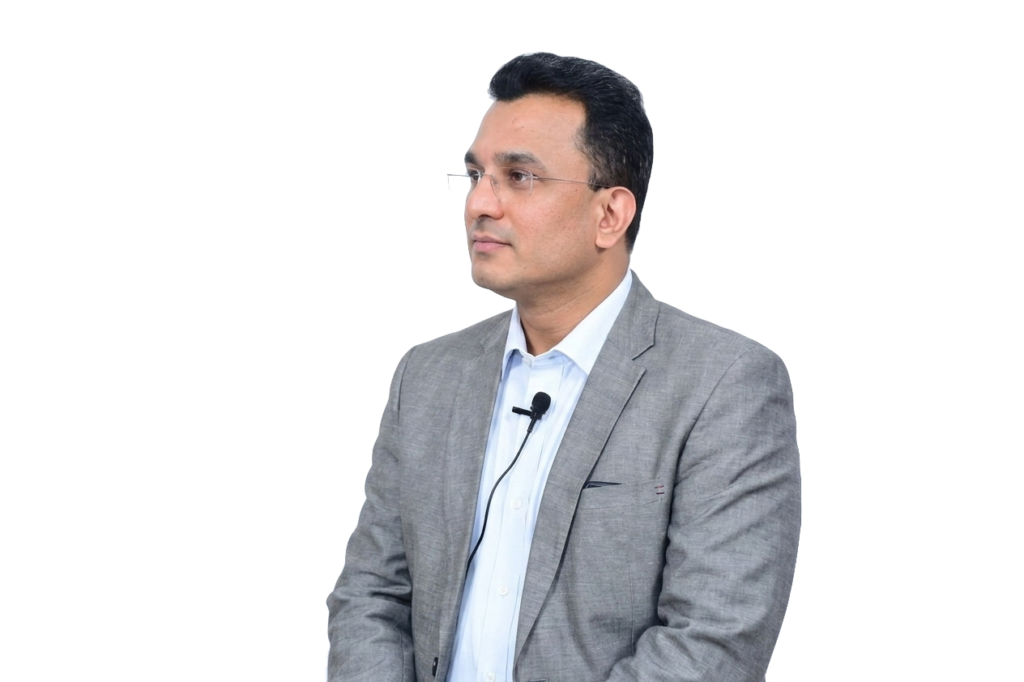
Dr. Sreekanth Shetty

Interventional Cardiologist

Dr. Shetty is renowned for his innovative approach to angioplasty procedures, particularly for his preference for the trans-radial route, which involves accessing the heart through the wrist.

Quick Links

About

Specialisation

Gallery

Blog

Help

Privacy Policy

Terms of Services

Contact Us

© 2026 All Rights Reserved.