Primary PCI
Primary PCI in Bangalore | Emergency Angioplasty for Heart Attack
Emergency angioplasty for heart attack treatment
Primary PCI in Bangalore
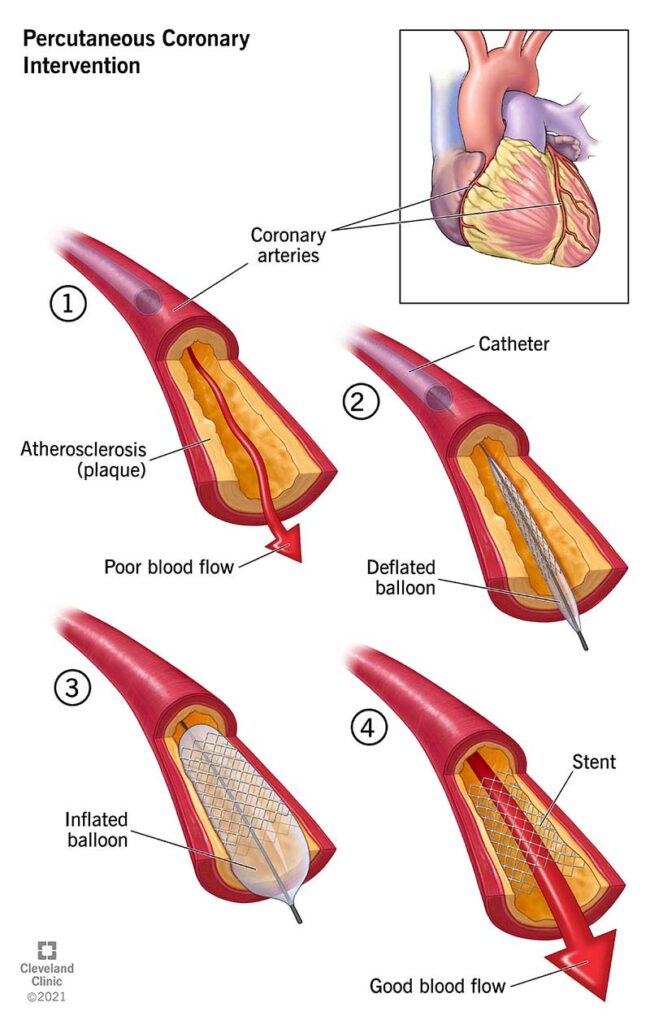
Primary PCI, also known as emergency angioplasty, is a life-saving procedure performed during a heart attack. It is used to quickly open a blocked coronary artery and restore blood flow to the heart muscle. Early treatment can reduce heart muscle damage and improve recovery chances.
A heart attack occurs when blood supply to part of the heart is suddenly blocked, usually because of a clot inside a coronary artery. Primary PCI involves inserting a catheter, opening the blockage with a balloon, and often placing a stent to keep the artery open.
When Is Primary PCI Needed?
Primary PCI is usually required in emergency situations when a patient has symptoms of an acute heart attack such as severe chest pain, sweating, breathlessness, nausea, pain radiating to the arm or jaw, or ECG changes showing STEMI.