Dr. Sreekanth B. Shetty

Interventional Cardiologist

Book a Call

Edit Template

Blog

Breakthroughs in Heart Valve Treatments

Dr. Sreekanth B. Shetty -

Breakthroughs in Heart Valve Treatments

Heart valve disease, where one or more of the heart’s four valves (aortic, mitral, tricuspid, or pulmonary) don’t function properly, affects millions globally and can lead to serious complications like heart failure if untreated. Recent advancements in heart valve treatments are transforming care, offering less invasive options, improved durability, and better outcomes, particularly for high-risk patients. This blog post explores the latest breakthroughs in heart valve treatments, their impact, and practical implications for patients, tailored for a general audience, with insights from recent research.

1.⁠ ⁠Understanding Heart Valve Disease
 
  • What It Is: Heart valve disease occurs when valves become stenotic (stiff, narrowing blood flow) or regurgitant (leaky, allowing backflow). Common conditions include aortic stenosis, mitral regurgitation, and tricuspid regurgitation.
  • Impact: Symptoms like shortness of breath, fatigue, or chest pain can severely limit quality of life. Untreated, severe cases lead to heart failure or sudden death.
  • Traditional Treatments: Open-heart surgery to repair or replace valves with mechanical or biological (tissue) valves has been standard but carries risks, especially for elderly or frail patients.
  • For Readers: If you experience symptoms like breathlessness or swelling, consult a cardiologist for tests like an echocardiogram to assess valve function.
 
2.⁠ ⁠Breakthroughs in Heart Valve Treatments Recent innovations are making treatments safer, more accessible, and more effective. Below are key advancements
 
  • Transcatheter Aortic Valve Replacement (TAVR/TAVI):
    • What It Is: A minimally invasive procedure where a collapsible valve is delivered via a catheter (usually through the groin) and implanted in the heart, replacing a damaged aortic valve.
    • Breakthroughs:
      • Expanded Indications: Initially for high-risk patients, TAVR is now FDA-approved for low-risk patients, supported by trials like PARTNER, showing comparable or superior outcomes to surgery.
      • Improved Durability: Advances in valve materials (e.g., biocompatible polymers) and design enhance longevity, making TAVR viable for younger patients.
      • AI and Imaging: AI-driven tools analyze imaging data for precise valve sizing and placement, reducing complications like leaks or misplacement.
    • Impact: Shorter recovery (often 1–2 days in hospital vs. weeks for surgery), fewer complications, and improved survival rates.
    • For Readers: Ask your cardiologist if TAVR is an option if you have aortic stenosis, especially if surgery is risky.
  • Transcatheter Mitral and Tricuspid Valve Therapies:
    • What It Is: Similar to TAVR, transcatheter techniques repair or replace mitral and tricuspid valves. Devices like MitraClip (for mitral regurgitation) and EVOQUE (for tricuspid regurgitation) are delivered via catheter.
    • Breakthroughs:
      • MitraClip: A clip attaches to the mitral valve to reduce regurgitation, improving symptoms in high-risk patients unsuitable for surgery. Studies show reduced hospitalizations and mortality for up to 5 years.
      • Tricuspid Advances: The TRISCEND II trial demonstrates transcatheter tricuspid valve replacement (e.g., EVOQUE) improves quality of life in patients previously limited to medical management.
      • TMVR Trials: Ongoing trials, like the APOLLO trial, evaluate transcatheter mitral valve replacement (TMVR) as an alternative to surgery.
    • Impact: These options expand treatment for “forgotten” valves (tricuspid) and patients too frail for open-heart surgery, reducing recovery time and risks.
    • For Readers: If diagnosed with mitral or tricuspid issues, discuss transcatheter options like MitraClip or EVOQUE with your doctor.
  • Bioengineered and Polymeric Valves:
    • What It Is: New valves made from biodegradable scaffolds or polymeric materials aim to grow with the body or mimic natural valve function.
    • Breakthroughs:
      • Living Valves: At Imperial College London, researchers use biodegradable scaffolds that recruit the body’s cells to form living tissue, ideal for children whose valves need to grow. Trials in sheep showed good function and tissue regeneration over 6 months.
      • Polymeric Heart Valves (PHVs): These combine durability and biocompatibility, reducing the need for lifelong anticoagulants. Early preclinical studies show promise for longer-lasting valves.
      • iValve: Developed at UBC Okanagan, this hybrid mechanical-tissue valve offers tissue-like performance with mechanical durability, designed for high-heart-rate cases like pediatric patients.
    • Impact: These valves could reduce repeat surgeries (especially in children) and anticoagulant use, improving lifestyle and outcomes.
    • For Readers: Stay informed about clinical trials for bioengineered valves if you or a loved one needs long-term valve solutions.
  • Sutureless and 3D-Printed Valves:
    • What It Is: Sutureless valves (e.g., Perceval) simplify surgical implantation, while 3D printing creates custom valves tailored to a patient’s anatomy.
    • Breakthroughs:
      • Sutureless Valves: Reduce surgical time and complications, ideal for minimally invasive procedures.
      • 3D Printing: Custom implants improve fit and function, streamlining surgery and reducing recovery time.
    • Impact: Faster procedures and better outcomes, especially for complex cases or elderly patients.
    • For Readers: Ask about sutureless or 3D-printed options if surgery is recommended, as they may reduce risks.
  • Robotic-Assisted and AI-Guided Procedures:
    • What It Is: Robotic systems (e.g., CorPath GRX) and AI enhance precision in valve procedures, improving placement and reducing complications.
    • Breakthroughs:
      • Robotic TAVI: Robots assist in precise catheter navigation, reducing radiation exposure and errors.
      • AI Guidance: Real-time AI analysis of imaging data optimizes valve placement, cutting complication rates.
    • Impact: Increased safety and accuracy, especially for complex anatomies, with faster recovery.
    • For Readers: Inquire about robotic-assisted procedures at your treatment center for potentially better outcomes.
 
3.⁠ ⁠Benefits of These Breakthroughs
 
  • Minimally Invasive: TAVR, MitraClip, and other transcatheter procedures reduce hospital stays (1–3 days vs. 5–10 for surgery) and recovery time.
  • Accessibility: High-risk patients (e.g., elderly, frail) now have safer options, expanding treatment eligibility.
  • Durability and Adaptability: Bioengineered and polymeric valves promise longer-lasting solutions, potentially eliminating repeat surgeries.
  • Personalization: 3D printing and AI tailor treatments to individual anatomy, improving outcomes.
  • Reduced Medication Burden: New valves may lower the need for lifelong anticoagulants, improving quality of life.
 
4.⁠ ⁠Challenges and Considerations
 
  • Access and Cost: Advanced treatments like TAVR or bioengineered valves can be expensive, and availability varies by region. Check insurance coverage or clinical trial options.
  • Long-Term Data: While promising, newer technologies like polymeric valves or TMVR need more long-term studies to confirm durability.
  • Risks: Even minimally invasive procedures carry risks like valve leaks, strokes, or infections. Discuss these with your doctor.
  • Awareness: Many patients and providers are unaware of newer options like tricuspid valve therapies. Advocacy and education are key.
  • For Readers: Research treatment centers with expertise in advanced valve procedures and ask about financial assistance programs.
 
5.⁠ ⁠Emerging Trends and Future Directions
 
  • Gene-Edited Valves: Genetically modified pig valves (e.g., GTKO pigs) reduce rejection and calcification risks, potentially lowering costs in the future.
  • Nanotechnology: Nanofibrous scaffolds enhance tissue regeneration in bioengineered valves, improving integration with the body.
  • Remote Monitoring: Wearable devices with AI monitor valve function post-procedure, detecting issues early to prevent complications.
  • Clinical Trials: Ongoing trials (e.g., APOLLO for TMVR, TRISCEND II for tricuspid) are expanding transcatheter options, promising broader applications.
  • For Readers: Ask your cardiologist about clinical trials for cutting-edge valve treatments, especially if standard options aren’t suitable.
 
6.⁠ ⁠Key Takeaways for Readers
 
  • New Options Are Game-Changers: TAVR, MitraClip, and bioengineered valves offer less invasive, effective treatments for valve disease.
  • Know Your Symptoms: Shortness of breath, fatigue, or swelling could indicate valve issues—seek an echocardiogram promptly.
  • Explore Advanced Treatments: Discuss minimally invasive options like TAVR or MitraClip, especially if you’re high-risk for surgery.
  • Stay Proactive: Monitor your condition with your doctor and explore emerging therapies through trials or specialized centers.
  • Advocate for Yourself: Ensure your healthcare team is aware of the latest valve treatments to get the best care possible.

Need Expert Cardiac Treatment Guidance?

From diagnosis to advanced cardiac intervention

Consult Dr. Sreekanth Shetty for coronary angiography, complex angioplasty, TAVI, pacemaker implantation, heart failure care, rhythm management, structural heart interventions, and preventive cardiology.

Phone Number of Svasti

+91 9008600976
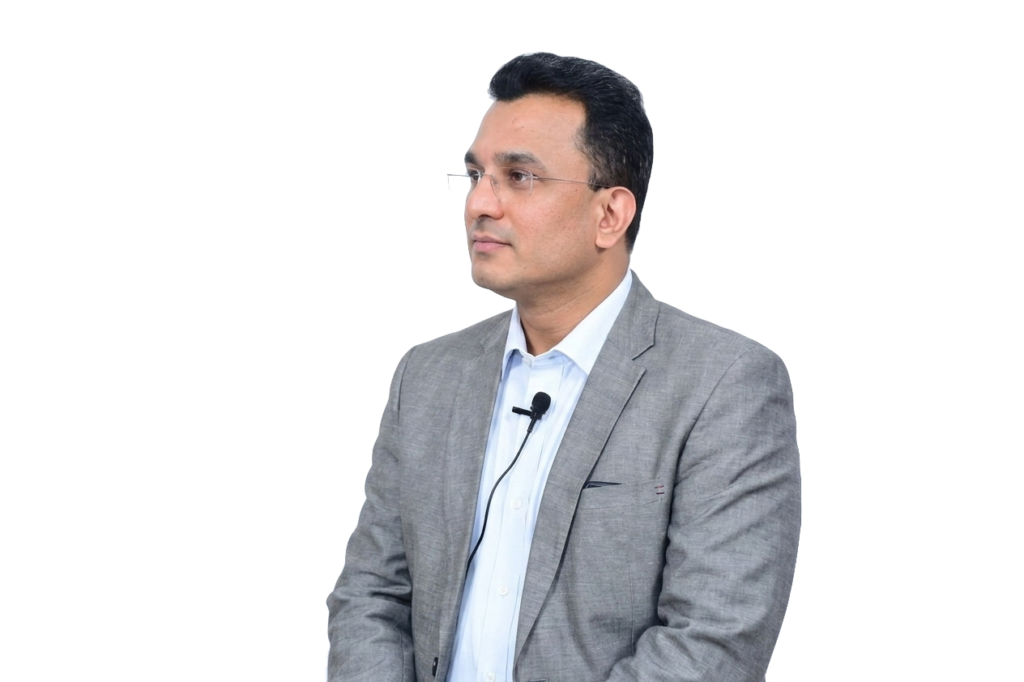
Dr. Sreekanth Shetty

Interventional Cardiologist

Dr. Shetty is renowned for his innovative approach to angioplasty procedures, particularly for his preference for the trans-radial route, which involves accessing the heart through the wrist.

Quick Links

About

Specialisation

Gallery

Blog

Help

Privacy Policy

Terms of Services

Contact Us

© 2026 All Rights Reserved.