Heart failure doctor in Bangalore
Comprehensive Heart Failure Management in Bangalore | Dr. Sreekanth Shetty
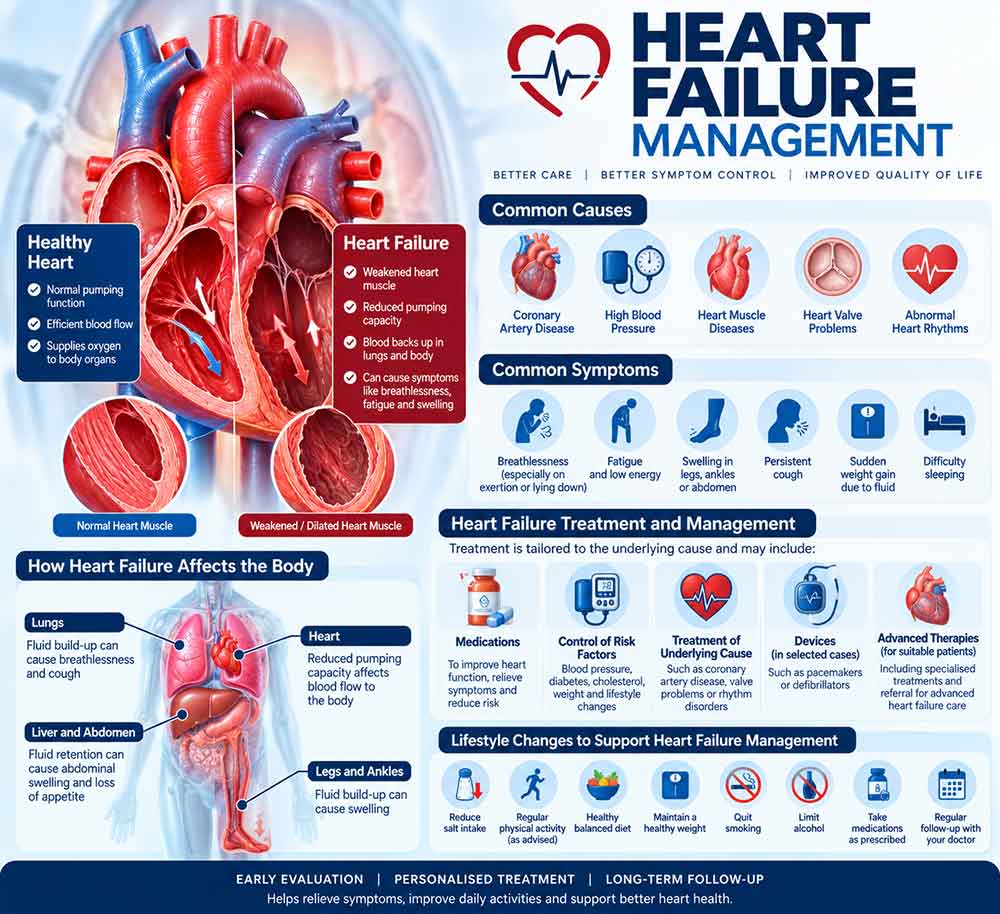
Heart failure is a condition in which the heart cannot pump blood around the body as effectively as it should. It does not mean that the heart has stopped working. With appropriate medical evaluation, treatment and regular follow-up, many people with heart failure can manage their symptoms and maintain a better quality of life.
If you are looking for a heart failure doctor in Bangalore, specialist evaluation can help identify the underlying cause, assess heart function and develop a treatment plan suited to your condition. Dr. Sreekanth Shetty can help you understand the importance of heart assessment and the available management options.
What Is Heart Failure?
Heart failure occurs when the heart muscle is unable to pump blood effectively or becomes too stiff to fill properly. This may cause fluid to accumulate in the lungs, legs or other parts of the body.
Heart failure can develop gradually over time or occur suddenly in association with a serious cardiac problem. The symptoms, severity and appropriate treatment vary from person to person.
Early assessment and ongoing care are important for identifying the cause, controlling symptoms and reducing the risk of complications.
Common Symptoms of Heart Failure
Symptoms may develop gradually or become noticeable over a short period. Common symptoms include:
Breathlessness during everyday activities or exercise.
Difficulty breathing when lying flat.
Unusual tiredness, weakness or reduced exercise tolerance.
Swelling of the feet, ankles, legs or abdomen.
Sudden weight gain due to fluid retention.
Persistent coughing, particularly at night.
Dizziness or light-headedness in some patients.
These symptoms can also occur with other medical conditions. A medical assessment is needed to identify the cause.
Emergency warning: Severe or sudden difficulty breathing, collapse, or chest pain requires immediate emergency medical attention. Do not wait for a routine appointment.
What Causes Heart Failure?
Heart failure can result from several conditions that affect the heart muscle, valves, blood supply or rhythm.
Possible causes include:
Coronary artery disease and previous heart attacks.
Long-standing high blood pressure.
Heart valve disease.
Cardiomyopathy, which affects the heart muscle.
Certain heart rhythm disorders.
Congenital heart conditions.
Inflammation or damage to the heart muscle.
Other medical conditions that affect cardiovascular health.
Identifying the underlying cause is an important part of treatment planning. Some contributing conditions can be treated directly, which may help improve symptoms or prevent further deterioration.
Heart Failure Evaluation in Bangalore
A heart failure assessment aims to understand how well the heart is functioning, identify contributing conditions and determine the most appropriate management plan.
Medical History and Clinical Examination
The doctor reviews symptoms, previous cardiac events, existing medical conditions, current medicines and changes in activity tolerance. A clinical examination can help identify signs of fluid retention or other cardiovascular problems.
Heart Tests and Investigations
Depending on the patient’s condition, investigations may include:
Echocardiogram: Assesses heart structure, pumping function and valve function.
Electrocardiogram (ECG): Records the heart’s electrical activity and rhythm.
Blood tests: May help assess kidney function, blood count and markers associated with heart failure.
Chest X-ray: May be used to assess the heart and look for fluid congestion in the lungs.
Additional imaging or rhythm monitoring: Recommended when clinically necessary.
Not every patient needs every test. The doctor selects investigations based on symptoms, examination findings and medical history.
Heart Failure Treatment in Bangalore
Heart failure treatment depends on the type of heart failure, heart function, underlying cause, symptoms, kidney function, blood pressure and other medical conditions.
1. Medication Management
Different medicines may be used to improve heart function, reduce fluid retention, control blood pressure or lower the risk of complications. Depending on the type of heart failure, treatment may include specific heart-protective medicines and diuretics to manage excess fluid.
The combination and dose must be individualised. Do not start, stop or change heart medicines without guidance from your treating clinician.
2. Treatment of Underlying Conditions
Managing conditions such as coronary artery disease, high blood pressure, diabetes, heart valve disease or abnormal heart rhythms may form an important part of heart failure care.
Some patients may benefit from a procedure or surgery to address the underlying cardiac problem, depending on their clinical findings.
3. Cardiac Devices for Selected Patients
Some patients may benefit from a cardiac device, such as a pacemaker, an implantable cardioverter-defibrillator (ICD), or cardiac resynchronisation therapy (CRT). These treatments are appropriate only for selected patients after specialist evaluation.
4. Lifestyle Guidance and Rehabilitation
A personalised care plan may include advice about physical activity, diet, fluid intake where necessary, smoking cessation and alcohol use. Cardiac rehabilitation may help eligible patients exercise safely and manage daily activities.
Lifestyle advice should be tailored to the patient’s heart condition and other health needs.
Heart Failure Specialist in Bangalore
Heart failure management often requires regular review rather than a single consultation. A specialist can assess symptoms, review test results, evaluate treatment response and determine whether further investigations or treatment changes are needed.
If you are searching for a heart failure specialist in Bangalore, bring your previous echocardiogram reports, ECG results, discharge summaries, blood test results and current medication list to your appointment.
The goal is to develop a care plan based on your individual diagnosis, symptoms and overall health.
Heart Failure Cardiologist in Bangalore
A cardiologist evaluates conditions affecting the heart, including problems with pumping function, heart rhythm, coronary arteries and heart valves.
For patients with suspected or diagnosed heart failure, a cardiology assessment can help establish the cause, determine the severity of the condition and guide treatment. Follow-up may be required to monitor symptoms, blood pressure, kidney function and response to medicines.
Heart Failure Doctor in HSR Layout
Patients looking for a heart failure doctor in HSR Layout may seek an assessment for breathlessness, swelling, unexplained fatigue or a previously diagnosed heart condition.
The appropriate evaluation depends on the patient’s symptoms and medical history. Please confirm the current consultation location and appointment availability before visiting.
Heart Failure Treatment in HSR Layout
Heart failure treatment in HSR Layout begins with understanding the underlying cause and assessing heart function. Depending on the findings, care may include medicines, management of related conditions, lifestyle guidance, cardiac rehabilitation or further specialist procedures.
Patients already receiving treatment should continue prescribed medicines and attend recommended follow-up appointments. Any changes should be discussed with the treating clinician.
Heart Failure Specialist in HSR Layout
If you are looking for a heart failure specialist in HSR Layout, a consultation can help you understand your investigation results and the next steps in managing your condition.
Bring details of previous hospital admissions, cardiac procedures, current medicines and recent test results. Confirm the doctor’s consultation location and the services available before booking.
Living With Heart Failure
Heart failure care continues beyond the clinic. Following an individualised management plan and recognising changes in symptoms can help patients and their care teams respond to problems early.
Your clinician may recommend:
Taking prescribed medicines consistently.
Monitoring weight as advised to identify possible fluid retention.
Following personalised dietary and fluid guidance.
Staying physically active within the limits recommended by your care team.
Monitoring symptoms and reporting significant changes.
Attending scheduled appointments and recommended investigations.
Do not follow strict fluid or salt restrictions without advice appropriate to your condition. Individual needs vary.
Follow-Up and Long-Term Monitoring
Regular follow-up helps the care team assess symptoms, review medications and monitor heart function and other relevant health measures. The frequency of appointments depends on the severity and stability of the condition.
Seek medical advice promptly if breathlessness, swelling, fatigue or weight gain worsens. Sudden severe breathlessness, collapse or chest pain requires emergency care.
Frequently Asked Questions About Heart Failure
What does heart failure mean?
Heart failure means the heart is not pumping blood effectively enough or is unable to fill properly. It does not mean the heart has stopped working.
Can heart failure be treated?
Yes. Although many forms of chronic heart failure cannot be completely cured, appropriate medicines, treatment of underlying causes, devices for selected patients and lifestyle measures can help manage symptoms and reduce complications.
What are the common warning signs of heart failure?
Common signs include breathlessness, fatigue, swelling in the legs or ankles, difficulty breathing while lying down and unexpected weight gain. These symptoms need medical assessment.
Which tests are used to diagnose heart failure?
Assessment may include an echocardiogram, ECG, blood tests and chest imaging. Additional investigations may be required depending on the suspected cause.
Does every heart failure patient need a device or surgery?
No. Many patients are treated primarily with medicines and ongoing monitoring. Devices or procedures are recommended only when the patient’s diagnosis and clinical findings support them.
How often should heart failure patients see a cardiologist?
Follow-up frequency depends on the patient’s symptoms, heart function, medicines and overall stability. Your treating clinician will recommend an appropriate schedule.
Where can I consult a heart failure doctor in Bangalore?
You can arrange a consultation with Dr. Sreekanth Shetty to discuss your symptoms, previous cardiac reports and available evaluation options. Confirm the current consultation location before booking.
For general information about the condition, its causes and management, read the Wikipedia article on heart failure.