Hypertension Specialist in Bangalore
Advanced Hypertension & Blood Pressure Management in Bangalore | Dr. Sreekanth Shetty
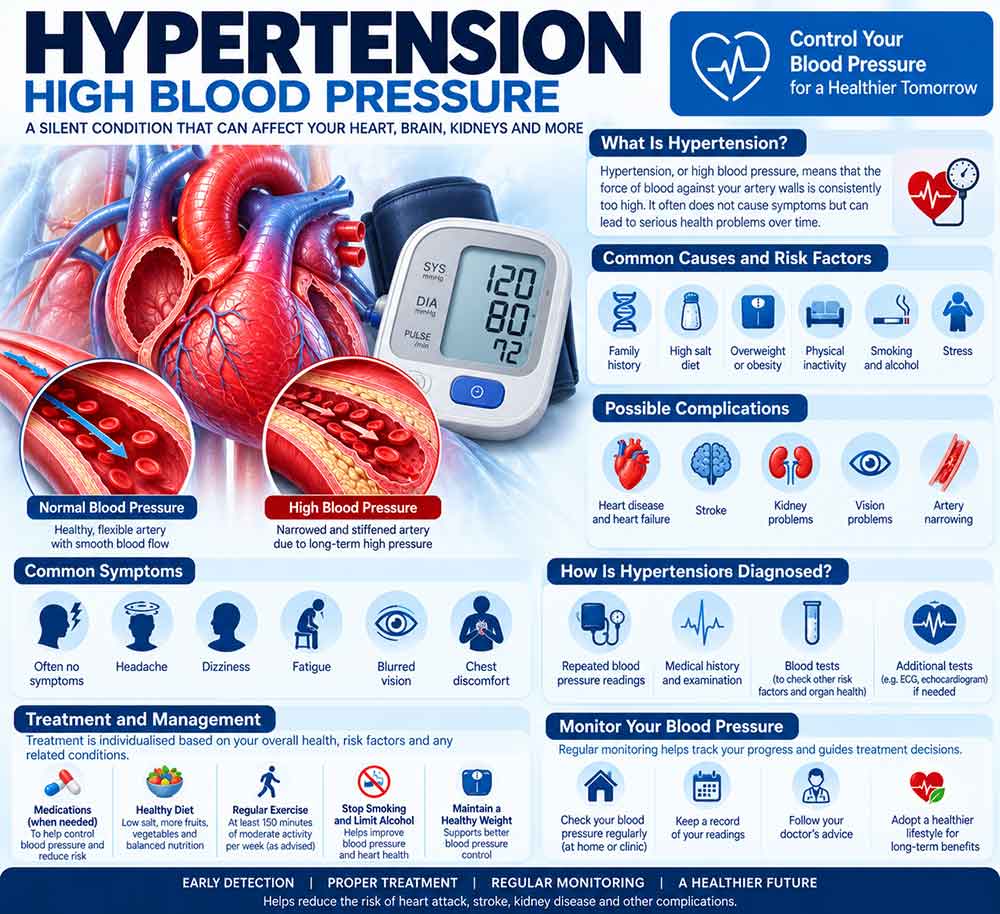
High blood pressure, also known as hypertension, is a common medical condition in which the force of blood against the artery walls remains consistently elevated. If left uncontrolled, it can increase the risk of heart disease, stroke, kidney problems and other complications.
Early diagnosis, appropriate treatment and regular blood pressure monitoring can help reduce these risks. If you are looking for a hypertension specialist in Bangalore, understanding your blood pressure readings and cardiovascular risk is an important first step.
What Is Hypertension?
Blood pressure is measured using two numbers:
Systolic pressure: The pressure in your arteries when your heart beats.
Diastolic pressure: The pressure in your arteries when your heart relaxes between beats.
A reading is written as systolic over diastolic pressure, such as 120/80 mmHg. Blood pressure levels should be interpreted in context, and a diagnosis of hypertension generally requires appropriately repeated measurements rather than a single elevated reading.
Hypertension often develops without noticeable symptoms. Regular blood pressure checks are therefore important, even when you feel well.
Common Causes and Risk Factors of High Blood Pressure
Several factors can contribute to high blood pressure. These include:
Family history of hypertension
Increasing age
Excessive salt intake
Overweight or obesity
Lack of regular physical activity
Smoking or tobacco use
Excessive alcohol consumption
Diabetes and certain kidney conditions
Some medicines or underlying medical conditions
In many people, several factors contribute to hypertension. Identifying relevant risk factors helps guide an appropriate management plan.
Symptoms of High Blood Pressure
Hypertension is often called a silent condition because many people have no symptoms. The absence of symptoms does not mean that blood pressure is normal.
Some people with severely elevated blood pressure may experience headache, blurred vision, chest discomfort or other symptoms. These symptoms are not specific to hypertension and should be assessed appropriately.
Seek emergency medical care if you experience chest pain, severe breathlessness, sudden weakness, difficulty speaking, confusion or sudden changes in vision, particularly alongside a very high blood pressure reading.
Why Is Hypertension Treatment Important?
Persistently high blood pressure places additional strain on blood vessels and vital organs. Without adequate control, it can increase the risk of:
Coronary artery disease and heart attack
Heart failure
Stroke
Chronic kidney disease
Damage to the blood vessels in the eyes
Other cardiovascular complications
Appropriate blood pressure management can help reduce these risks and support long-term cardiovascular health.
How Is High Blood Pressure Diagnosed?
A hypertension assessment involves more than checking a single reading. Depending on your medical history and initial results, evaluation may include:
Blood Pressure Measurement
Blood pressure is measured using an appropriately sized cuff and a validated device. Repeated measurements help establish whether the pressure is consistently elevated.
Home or Ambulatory Blood Pressure Monitoring
Home monitoring or a portable 24-hour blood pressure monitor may be recommended to confirm the diagnosis and assess blood pressure patterns outside the clinic.
Medical History and Physical Examination
Your doctor may review your symptoms, family history, lifestyle, current medicines and other medical conditions.
Additional Investigations
Depending on your individual risk factors, investigations may include blood and urine tests, kidney function assessment, cholesterol testing, blood glucose evaluation or an electrocardiogram (ECG).
The tests required depend on your blood pressure readings, medical history and clinical assessment.
High Blood Pressure Treatment in Bangalore
High blood pressure treatment in Bangalore should be tailored to the individual’s blood pressure levels, overall health, cardiovascular risk and other medical conditions.
Treatment may include the following approaches.
Lifestyle Modifications
Healthy lifestyle habits are an important part of blood pressure management:
Reduce excess salt in your diet.
Eat a balanced diet with vegetables, fruits and other nutrient-rich foods.
Engage in regular physical activity appropriate to your health.
Maintain a healthy weight.
Avoid tobacco and discuss alcohol use with your doctor.
Follow a consistent sleep routine and seek advice about persistent sleep problems.
Monitor your blood pressure as recommended.
Lifestyle changes can improve blood pressure control, but they do not replace prescribed medicines when medication is necessary.
Blood Pressure Medicines
Some people need medicines in addition to lifestyle changes. Depending on your clinical circumstances, a doctor may consider medicines from classes such as ACE inhibitors, angiotensin receptor blockers, calcium channel blockers or diuretics.
The choice of medicine depends on factors such as your blood pressure, kidney function, age, other conditions and potential side effects. Take medicines as prescribed, and do not stop or change a dose without medical advice.
Ongoing Monitoring and Follow-Up
Regular follow-up helps assess how well your blood pressure is controlled, review medicine tolerance and identify any need to adjust the treatment plan.
Keeping a record of home readings can help your doctor understand your blood pressure patterns and make informed decisions.
Hypertension Specialist in Bangalore: Individualised Care
If you are searching for a hypertension specialist in Bangalore, an appropriate assessment can help establish whether your blood pressure is persistently elevated and whether additional cardiovascular risk evaluation is needed.
Dr. Sreekanth Shetty’s profile and verified consultation details can help you determine whether his services are suitable for your needs. The appropriate treatment plan should be based on your clinical assessment rather than a single blood pressure reading.
Hypertension Doctor in HSR Layout
People looking for a hypertension doctor in HSR Layout may need help with newly detected high blood pressure, persistently elevated readings, medication review or ongoing cardiovascular risk management.
Before arranging a consultation, confirm the doctor’s current clinic location, appointment availability and the services offered.
Blood Pressure Specialist in Bangalore and HSR Layout
A blood pressure specialist can help assess persistent high readings, review possible contributing factors and plan appropriate monitoring and treatment. Patients with diabetes, kidney disease, established heart disease or other risk factors may require an individualised blood pressure target.
If you have repeated high readings, arrange a medical assessment rather than waiting for symptoms to appear.
Hypertension Treatment in HSR Layout
For people seeking hypertension treatment in HSR Layout, consistent follow-up and a practical plan for home monitoring can support long-term blood pressure control.
Bring your recent blood pressure readings, current medicine list and relevant investigation reports to your consultation. These details can help your doctor assess your condition and discuss suitable next steps.
Frequently Asked Questions About Hypertension
1. What is considered high blood pressure?
Blood pressure thresholds depend on the guideline and measurement setting. Under commonly used clinical criteria, a clinic reading of 140/90 mmHg or higher is considered high, while home readings are interpreted using a different threshold. Diagnosis should be confirmed through appropriate repeated measurements and clinical assessment.
2. Can high blood pressure occur without symptoms?
Yes. Many people with hypertension feel completely well. Regular blood pressure measurement is the reliable way to detect it.
3. Can lifestyle changes control hypertension?
Lifestyle changes such as reducing excess salt, exercising regularly, maintaining a healthy weight and avoiding tobacco can help lower blood pressure. Some people also need prescribed medicines to achieve adequate control.
4. Do I need to take blood pressure medicines for life?
Not everyone has the same treatment needs. Many people require long-term medication, but treatment decisions depend on blood pressure control, overall health and medical advice. Do not stop prescribed medicines on your own, even if your readings improve.
5. How often should I check my blood pressure at home?
Follow the schedule recommended by your doctor. When monitoring at home, use a validated upper-arm monitor, sit quietly before measuring, keep your arm supported and record the readings consistently.
6. When should I seek urgent medical help for high blood pressure?
A very high reading, particularly around 180/120 mmHg or above, warrants prompt medical attention and repeat measurement according to medical guidance. If it occurs with chest pain, severe breathlessness, confusion, sudden weakness, difficulty speaking or vision changes, seek emergency care immediately. Do not delay emergency care to repeat readings.
7. Where can I find a hypertension specialist in Bangalore or HSR Layout?
Review Dr. Sreekanth Shetty’s verified profile and current clinic information to confirm consultation location, availability and suitability for your needs.
For additional information about the causes, risks and management of high blood pressure, read the World Health Organization’s hypertension fact sheet.